
- Bible
- Read the Bible
- Bible Versions
- Verse of the Day
- Reading Plans
- Verses by Topic
- Books of the Bible
- Bible Images
- Study
- Commentaries
- Concordances
- Dictionaries
- Encyclopedias
- Sermons
- Bible Atlas & Maps
- BP Wiki
- Devotionals
- Today's Devotionals
- Light of the World
- All Devotionals
- Inspirational Quotes
- More
- Picture Quotes
- Videos
- Inspirational
- Bible Study
- What The Bible Says
- Bible Q&As
- Daily Bread
- Bible by Genre
- Bible Stories
- Random Bible Verse
- Community
- Store
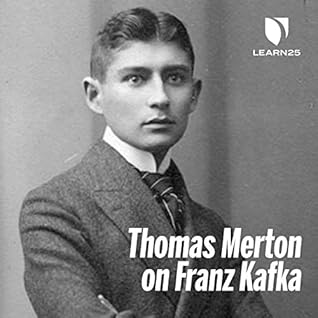
Thomas Merton on Franz Kafka
by Thomas Merton
What is the function of the contemplative in the modern world?
This question lies at the root of Thomas Merton’s extended contemplation of Franz Kafka’s dystopian novel, The Castle. A hugely influential writer from the 20th century, Kafka (1883 - 1924) was a German-speaking Jew born in Prague. His fiction - especially his 1915 novella The Metamorphosis, in which the protagonist finds himself transformed into an insect - is so well known for its absurd and existential themes that the style has become synonymous with his name: Kafkaesque.
Now, you have the rare opportunity to hear Merton - the English professor-turned-monk and a literary genius in his own right - discuss The Castle as a metaphor for the monastic life. Originally recorded in 1967 and newly remastered to enhance your listening experience, this audio set collects four talks on Kafka that Merton delivered during the month of June.
Ranging from essayistic reflections on The Castle to more off-the-cuff discussions of Albert Camus’s The Plague, these archival recordings are a mixture of spoken journal entries and other trains of thought. Each talk invites you into Merton’s close confidence.
You will also hear Merton develop fascinating arguments around:
Brian Wicker’s 1966 “Secular Christianity”
Interreligious dialogue and monastic reform
The idea of being “imprisoned”
Virginity
Existentialism with respect to faith
Kafka’s rejection of Jewish law
Bookworms and fans of Merton alike will find that Merton can zap the stalest subjects into the most erudite discourses. Hear one great literary mind on another.
This question lies at the root of Thomas Merton’s extended contemplation of Franz Kafka’s dystopian novel, The Castle. A hugely influential writer from the 20th century, Kafka (1883 - 1924) was a German-speaking Jew born in Prague. His fiction - especially his 1915 novella The Metamorphosis, in which the protagonist finds himself transformed into an insect - is so well known for its absurd and existential themes that the style has become synonymous with his name: Kafkaesque.
Now, you have the rare opportunity to hear Merton - the English professor-turned-monk and a literary genius in his own right - discuss The Castle as a metaphor for the monastic life. Originally recorded in 1967 and newly remastered to enhance your listening experience, this audio set collects four talks on Kafka that Merton delivered during the month of June.
Ranging from essayistic reflections on The Castle to more off-the-cuff discussions of Albert Camus’s The Plague, these archival recordings are a mixture of spoken journal entries and other trains of thought. Each talk invites you into Merton’s close confidence.
You will also hear Merton develop fascinating arguments around:
Brian Wicker’s 1966 “Secular Christianity”
Interreligious dialogue and monastic reform
The idea of being “imprisoned”
Virginity
Existentialism with respect to faith
Kafka’s rejection of Jewish law
Bookworms and fans of Merton alike will find that Merton can zap the stalest subjects into the most erudite discourses. Hear one great literary mind on another.
BUY NOW
Audiobook
Published 2019 by Learn25
Subscribe
Get Bible verse every day in your inbox
Read on Mobile


Group of Brands


© 2026 Bibleportal.com All rights reserved.
Thomas Merton wrote more than 70 books, mostly on spirituality, as well as scores of essays and reviews. Merton was a keen proponent of interfaith understanding.
Interest in his work contributed to a rise in spiritual exploration beginning in the 1960s and 1970s in the US. Merton's letters and diaries, reveal the intensity with which their author focused on social justice issues, including the civil rights movement and proliferation of nuclear arms. He had prohibited their publication for 25 years after his death. Publication raised new interest in Merton's life.
... Show more