This document by William Penn shows Penn’s concern for liberty of conscience. It is the first substantive matter addressed, and the guarantee of religious liberty is repeated at length later in the document. As with earlier Pennsylvania foundation documents, the Charter of Liberties was formulated by Penn and then consented to by the people or their elected representatives. That Penn consulted carefully with the Assembly while formulating his constitutions made popular acceptance a foregone conclusion

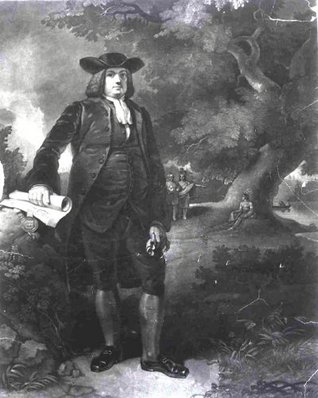


William Penn was an English founder and "Absolute Proprietor" of the Province of Pennsylvania, the English North American colony and the future U.S. State of Pennsylvania. He was known as an early champion of democracy and religious freedom and famous for his good relations and his treaties with the Lenape Indians. Under his direction, Philadelphia was planned and developed.
As one of the earlier supporters of colonial unification, Penn wrote and urged for a Union of all the English colonies in what was to become the United States of America. The democratic principles that he set forth in the Pennsylvania Frame(s) of Government served as an inspiration for the United States Constitution. As a pacifist Quaker, Penn considered the problems of war and peace deeply, and included a plan for a United States of Europe, "European Dyet, Parliament or Estates," in his voluminous writings.
... Show more